


Which truck tows with more confidence for Medina, OH drivers — the 2026 Chevrolet Colorado or the 2026 Nissan Frontier?
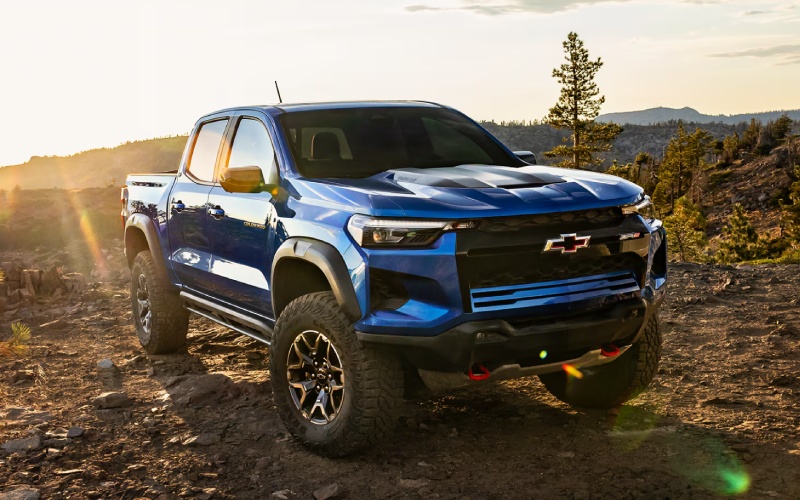
Valley Chevrolet – Which truck tows with more confidence for Medina, OH drivers — the 2026 Chevrolet Colorado or the 2026 Nissan Frontier?
When midsize truck shoppers ask which pickup to trust for trailers, boats, or campers, the conversation inevitably turns to how the truck pulls, how it tracks and stops, and how much help it gives the driver when the pressure is on. This is where a close look at towing capacity, torque delivery, visibility tools, and control systems becomes crucial. Both the Chevrolet Colorado and Nissan Frontier have solid reputations, but their approaches differ in meaningful ways that you will notice the first time you back down a ramp or thread into a tight storage yard.
Start with ratings. Properly equipped, Colorado delivers up to 7,700 lbs of max available towing, while Frontier tops out at 7,150 lbs. That difference shows up whenever your trailer weight or tongue load inches higher—Colorado simply has more headroom to stay within limits. Just as important is the way the trucks make power. Colorado’s standard TurboMax® engine produces best-in-class standard torque at 430 lb-ft, a decisive advantage when pulling away from a stop, climbing a grade with a trailer, or easing up a wet launch ramp. Frontier’s standard 3.8-liter V6 makes 310 hp and 281 lb-ft of torque—strong figures—but less low-end twist means you’ll work the throttle more to get a similar response.
How torque and gearing change the towing experience
On paper, it is easy to focus on horsepower. On the road, torque and transmission behavior tell the real story. Colorado pairs its torque-rich TurboMax® with an enhanced 8-speed automatic that shifts cleanly and predictably when you are towing. There is less hunting, more settled progress, and reassuring engine braking when you ask for it. Frontier’s 9-speed automatic complements the V6 well, and when you are towing within the heart of its range, it feels composed. But when loads grow, torque wins. That extra 149 lb-ft in Colorado reduces strain and keeps you nearer the torque curve’s sweet spot, which is exactly what you want with weight on the hitch.
Driver-selectable modes matter, too. Colorado offers up to five selectable drive modes, including an available Tow/Haul mode that optimizes shift points, throttle mapping, and stability control for loaded conditions. Frontier’s PRO-4X brings useful off-road aids and a Terrain selector, but tow-specific calibration is where Colorado leans in more decisively, letting you tailor responses to the job at hand.
See more, stress less: cameras and guidance that help
Anyone who tows frequently will tell you visibility is non-negotiable. Colorado is available with up to 10 camera views, including hitch guidance and available underbody cameras. It is like having extra spotters every time you reverse toward a coupler, monitor trailer swing, or angle around a blind gate. Frontier counters with the available Intelligent Around View® Monitor, which is a great tool for maneuvering and lining up, but it does not match Colorado’s breadth of views. Fewer angles mean more reliance on mirrors and memory, especially in tight confines.
Beyond cameras, Colorado’s available in-vehicle Trailering App brings helpful checklists, connection status prompts, and maintenance reminders into the center display. These are small touches that add up: you spend less time second-guessing, more time rolling with confidence. Frontier offers useful towing aids, but it does not bring a comparable app-based toolset built into the truck.
Control and composure with weight behind you
Colorado’s chassis breadth is a hidden strength for towers. Trims like Trail Boss and Z71 add a 2-inch factory-installed lift, robust tire options, and a 2-speed auto transfer case, while ZR2 integrates Multimatic® DSSV dampers and a 3-inch lift for extraordinary rough-road control. Why does that matter for towing? Because real life isn’t just interstate miles. Access roads, campgrounds, and job-site entrances introduce dips, ruts, and pitch changes that can unsettle a truck-trailer combo. A more composed suspension means fewer corrections and smoother inputs, which your trailer—and your passengers—will appreciate. Frontier’s PRO-4X package is admirably capable with Bilstein® shocks, skid plates, and an electronic locking rear differential, offering reassuring traction. Still, the Colorado’s broader mechanical envelope helps keep trailer dynamics tidy when surfaces get unpredictable.
Bed utility that supports the haul
Trailering rarely happens in isolation—you are loading the bed, too. Colorado’s bed and tailgate versatility (up to 17 available tie-downs, cargo bed lighting, available 120-volt power, and the StowFlex® tailgate with a built-in measurement tool and storage) make it easier to secure gear and get accurate cuts or checks on the fly. Frontier’s Utili-track® Channel System is excellent for adjustable tie-down points, and it remains a highlight for owners who reconfigure their beds often. The difference is that Colorado stacks on more integrated utility, which complements the towing mission rather than just running alongside it.
Safety and driver assistance features build confidence when you have extra mass behind you. Every Colorado includes Chevy Safety Assist with Automatic Emergency Braking, Front Pedestrian Braking, Lane Keep Assist with Lane Departure Warning, Following Distance Indicator, and IntelliBeam® Auto High Beams. Frontier equips Safety Shield® 360 across the board as well, adding Rear Automatic Braking and Blind Spot Warning. Both are robust. But again, Colorado’s camera coverage and trailering tools tilt the experience toward less guesswork and smoother execution.
Frequently Asked Questions:
Does the Colorado’s higher towing rating matter if I usually pull lighter loads?
Yes, because margin matters. Even if your current trailer is light, the Colorado’s 7,700-lb max available rating and best-in-class standard torque provide headroom for future gear, longer trips, or heavier cargo—without pushing limits.
Which truck is easier to hitch and maneuver solo?
Colorado’s available up to 10 camera views and in-vehicle Trailering App make lining up, checking connections, and backing in tight areas simpler. Frontier’s Intelligent Around View® Monitor helps, but Colorado delivers more perspectives and guidance.
How do the powertrains feel with a trailer in mixed driving?
Colorado’s TurboMax® torque advantage means less throttle and fewer shifts to maintain pace on grades or at low speeds. Frontier’s V6 is smooth and durable, but with less torque, you may find yourself working the pedal more in hilly or stop-and-go scenarios.
Choosing between these two solid pickups for towing often comes down to how frequently you tow and how much support you want from the truck. If you value stronger low-end pull, broader camera coverage, and built-in trailering tools, Colorado is the clear pick. If your towing needs are occasional and you prioritize a straightforward V6 and traditional feel, Frontier can serve you well. For hands-on advice and a thorough walk-through of towing tech and setup, connect with Valley Chevrolet, serving Medina, LaGrange, and Litchfield. Our team will help you match truck, trailer, and routes so you head out prepared and return with less stress.
Bottom line: both trucks can tow, but Colorado tows with more margin and more support. That extra confidence is exactly what many shoppers want when they are hauling their weekend plans or their work.
0 comment(s) so far on Which truck tows with more confidence for Medina, OH drivers — the 2026 Chevrolet Colorado or the 2026 Nissan Frontier?